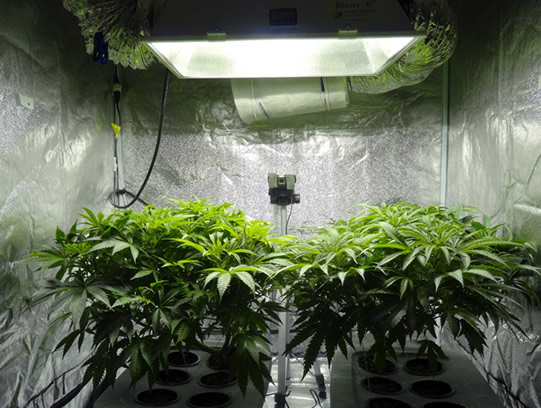
Cannabis Grow House Inspection
Illegal cannabis grow houses are an increasing concern for property owners in Orange County and Los Angeles County. These operations often involve tenants secretly converting residential rental properties into large-scale indoor cultivation sites. By the time landlords or local authorities discover the illegal activity, significant structural and environmental damage has usually occurred. Excessive moisture, electrical alterations, chemical contamination, and hazardous materials can all affect indoor air quality and the overall safety of the property. In many cases, building departments require environmental testing before cleanup and reconstruction can begin.
One critical component of the post-discovery inspection process is lead testing. Many homes throughout Orange County and LA County were built before 1978, when lead-based paint was still commonly used in residential construction. When illegal cannabis grow operations modify walls, install lighting systems, or remove building materials, they often disturb painted surfaces. This can release dangerous lead particles into the air and surrounding dust. Because lead exposure poses serious health risks, professional testing is often required before a damaged property can be safely restored or reoccupied.
Exposure to lead can cause a range of health problems, particularly for children and pregnant women. Lead poisoning has been linked to developmental delays, learning difficulties, and behavioral issues in children. Adults exposed to high levels of lead may experience neurological problems, kidney damage, and other serious health effects. For this reason, local building and safety departments frequently require certified inspectors to perform environmental testing when illegal grow houses are discovered.
Professional lead testing in Orange County and Los Angeles County typically involves several inspection methods. Certified environmental hygienists may collect paint chip samples, dust wipe samples, soil samples, or other materials from areas that were modified during the grow operation. These samples are then analyzed in accredited laboratories to determine whether hazardous lead levels are present. Inspectors may also use advanced tools such as X-ray fluorescence analyzers to detect lead in painted surfaces without damaging the structure.
Environmental testing is especially important in properties used for illegal cultivation because growers often modify building systems without following safety regulations. Walls may be drilled to install ventilation systems, electrical wiring may be altered to support high-powered lighting, and surfaces may be stripped or sanded during makeshift renovations. These activities can disturb older building materials that contain lead-based paint, creating contamination that spreads throughout the property.
Companies such as Indoor Clean Air Testing provide specialized inspections for properties affected by illegal cannabis grow operations. Their certified hygienists perform comprehensive lead testing and environmental assessments to determine the extent of contamination. Detailed reports are prepared to meet municipal building department requirements as well as insurance documentation standards, helping property owners move forward with remediation and repairs.
For landlords, property managers, and real estate investors, scheduling professional lead testing after discovering an illegal grow operation is a critical step in restoring a property. Environmental assessments help identify hazards, guide remediation efforts, and ensure that the building can safely return to residential use.
With professional lead testing services in Orange County and LA County, property owners can address contamination risks, meet regulatory requirements, and protect the health of future occupants while restoring damaged properties to safe living conditions.