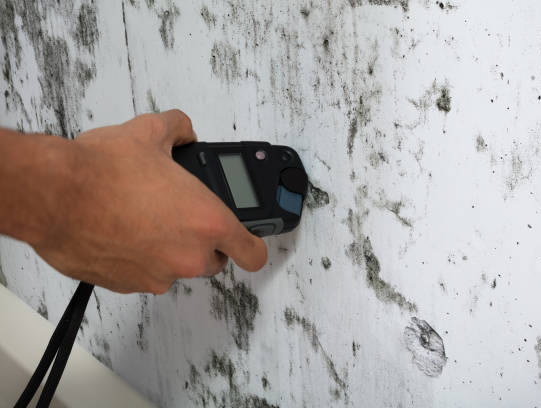
Mold Testing Orange County
Types of California Mold Testing:
Mold growth inside residential and commercial properties can create indoor air quality concerns and potential health risks for occupants. Indoor Clean Air Testing provides professional mold testing services throughout Orange County and Southern California to identify mold contamination and determine the extent of microbial growth within a property.
Our environmental consultants perform comprehensive mold inspections and laboratory analysis using industry-accepted sampling methods. Testing may include airborne mold sampling, surface sampling, and moisture evaluation to help determine whether mold contamination is present within the indoor environment.
Mold commonly develops in areas affected by water intrusion, elevated humidity, or plumbing leaks. Building materials such as drywall, insulation, carpeting, wood framing, and ceiling materials may support mold growth when moisture conditions are present. Identifying the source of moisture and confirming mold contamination through proper testing is an important step in restoring a healthy indoor environment.
Indoor Clean Air Testing provides mold testing services for:
• Residential homes and apartments
• Commercial buildings and offices
• Real estate transactions and property inspections
• Water damage and restoration projects
• Property management and insurance claims
Our laboratory analysis identifies common indoor mold types including Aspergillus, Penicillium, Cladosporium, Stachybotrys, and other microbial spores that may impact indoor air quality.
Following testing, our clients receive a detailed laboratory report outlining the findings, interpretation of results, and recommendations for remediation when necessary.
We work closely with homeowners, restoration companies, property managers, contractors, and insurance professionals who require reliable environmental testing and fast turnaround times.
- Air Sampling: This method captures airborne mold spores using specialized equipment. Samples are analyzed in a laboratory to determine the types and concentrations of mold present in the air.
- Surface Sampling: Surface testing involves collecting samples from visible mold growth or suspected areas using swabs, tape lifts, or other methods. These samples are analyzed to identify mold types and assess contamination levels.
- Bulk Sampling: In this method, pieces of contaminated materials such as drywall or insulation are removed for analysis. Bulk sampling provides insights into the extent and type of mold infestation within materials.
- Dust Sampling: Dust samples are collected from surfaces like carpets, furniture, or vents to determine if mold spores are present in settled dust. Laboratory analysis identifies the types of mold and their concentrations.
California mold testing is performed by trained professionals who adhere to strict protocols to ensure accuracy and reliability. The results offer valuable information about the extent and severity of mold contamination, guiding remediation efforts and assessing potential health impacts. It is essential to recognize that mold testing reflects conditions at a specific time and location. Since mold spores are naturally present in the environment, some level of indoor spores is typical. Professionals interpret test results within the broader context of the indoor environment, building conditions, and health concerns to provide actionable recommendations.
Why Testing Matters: Mold testing is not just about identifying problems—it’s about safeguarding health and property. For individuals with allergies, asthma, or compromised immune systems, mold exposure can lead to serious health issues. Testing helps identify hidden risks, validate remediation success, and ensure a safe living or working environment. Regular testing is especially recommended in high-humidity areas or after flooding, as early detection can prevent costly damage and health complications.
FAQ’S
What does mold testing involve?
Mold testing typically includes air sampling and surface sampling to determine the presence and concentration of mold spores inside a building. Laboratory analysis identifies the types of mold present and whether indoor levels are elevated compared to outdoor conditions.
When should mold testing be performed?
Mold testing is recommended when there are signs of water damage, visible mold growth, musty odors, or indoor air quality concerns.
Do I need mold testing before mold remediation?
Testing can help determine the extent of contamination and confirm the areas affected by mold growth before remediation begins.
How long does mold testing take?
Sampling is typically completed during a single site visit, and laboratory results are usually available within 24–48 hours depending on the analysis requested.
Indoor Clean Air Testing provides mold testing services throughout Orange County, Los Angeles County, Riverside County, and San Bernardino County.